Writers matched by genre
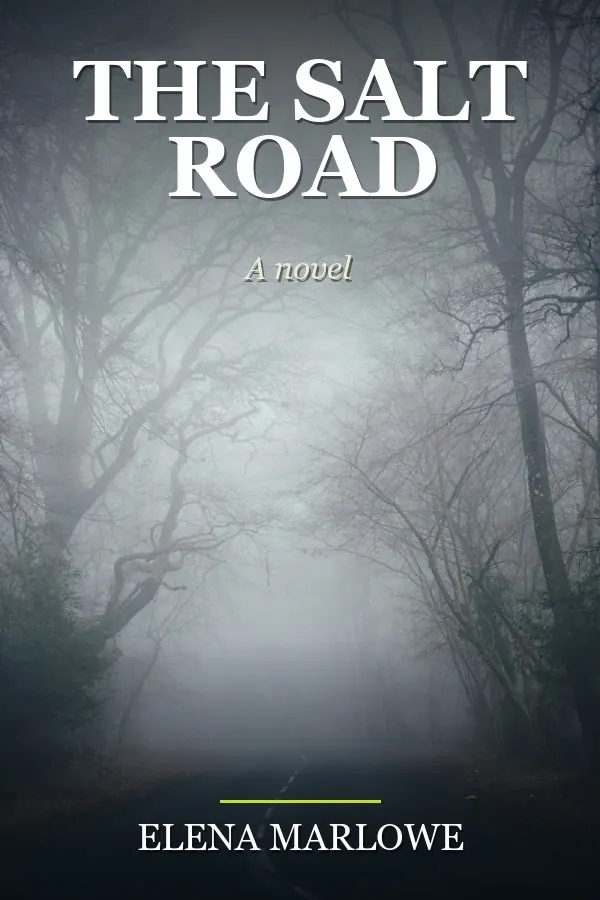
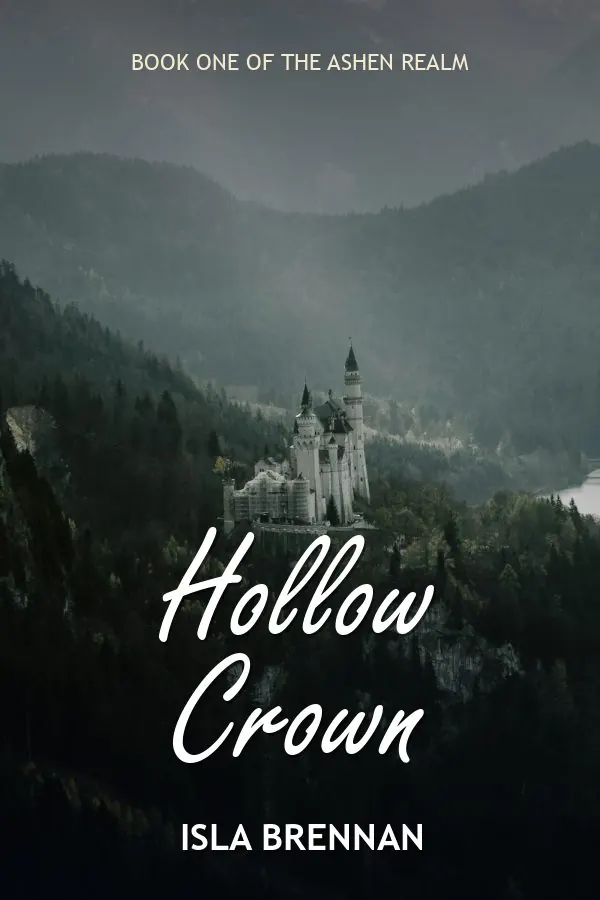
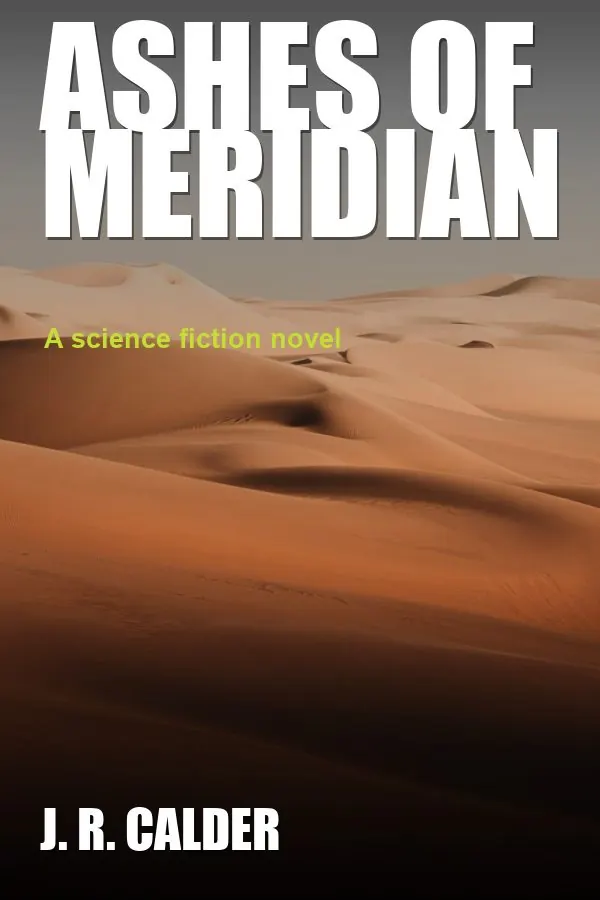
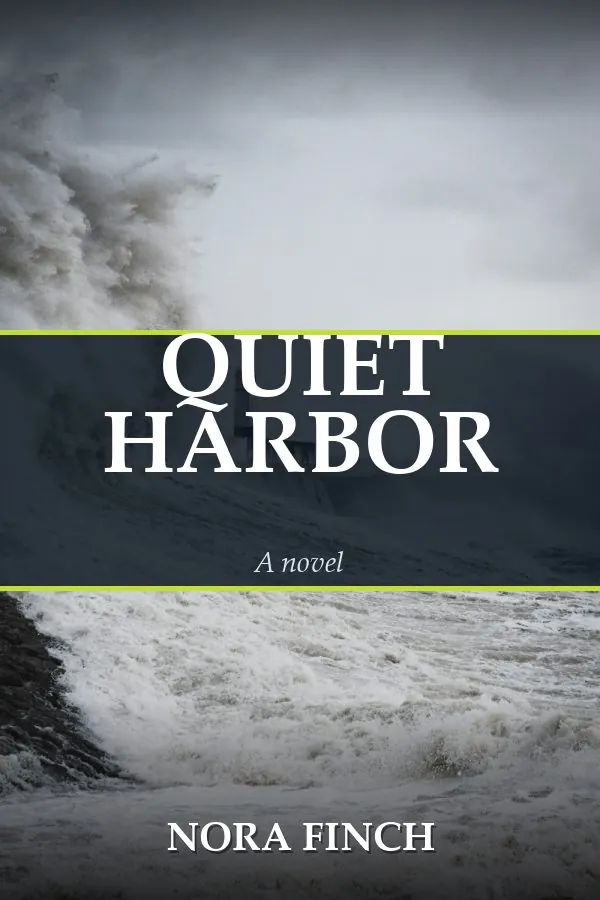
A memoir needs a different writer than a space opera. We assign people who already read and write in your category.
An ebook that looks fine on one device can break on another. Our ebook publishing services build a clean EPUB from your manuscript, validate it, and test it on real devices before anything goes live. We then set up metadata and categories, explain pricing and DRM so you can decide, and upload to Kindle, Apple Books, Kobo and Google Play under your own accounts.
Included In Every eBook Publishing Project
EPUB is the standard ebook format used by Apple Books, Kobo and Google Play, and Kindle accepts it for upload too. An EPUB is a packaged set of web files, so errors in the code can break a book on one device while it looks fine on another. We build the file from your manuscript with proper styles, a working table of contents, and metadata inside the package. Then we run it through a validation tool and fix every error it reports. A file that passes validation is far more likely to be accepted by each store the first time.
Most ebooks are reflowable. The reader chooses the font and size, and the text flows to fit the screen. This suits novels, memoirs and most nonfiction. Fixed layout locks each page in place, like a picture, which suits illustrated children's books, cookbooks with set page designs, and comics. It also makes larger files, gives readers less flexibility, and is not supported the same way on every device. We recommend the simpler option when it will do, and we explain the trade-off honestly if your book needs fixed layout.
The details inside the file matter. A good ebook has a linked table of contents, notes that jump back to the text, images that scale without blurring, and tables that do not overflow the screen. Chapter breaks should be clean. We order the front matter so the free sample shows real text, not pages of credits and legal notices. A note to readers and a list of your other books are placed at the back, where they help rather than interrupt. Every link is tested before the file is called finished.
Metadata gets an ebook found. Each retailer asks for a title, subtitle, series details, contributors, description, language, categories and keywords. Kindle uses a small set of browse categories chosen at upload, and other stores use their own lists, so the same book may be filed differently in each. We pick categories by checking where similar books sit, then write a description that is easy to scan, with short paragraphs and a clear first line. Rules and limits change, so we check the current ones at the start of each project.
We do not set a price for you, but we explain how pricing works. On many stores the royalty rate depends on the list price falling within a stated range, and the rate can drop outside it. Long books, series starters and short guides are often priced differently. Some authors choose a lower launch price and raise it later, or run a short promotion. Prices can be changed after publication, and changes usually appear within a few days. We show you the current royalty rules for each store, you choose the number, and we check it is entered consistently.
Digital rights management, or DRM, adds a lock that limits copying and sharing of the file. Some authors want it to discourage casual copying. Others prefer none, because it can frustrate honest readers who switch devices, and determined copiers can often get around it anyway. Each store handles the choice a little differently, and on some platforms the setting cannot be reversed once the book is published. We lay out the options in plain terms, give our view, and apply your decision across the retailers. It should not be treated as full protection.
We prepare and upload to Amazon Kindle Direct Publishing, Apple Books, Kobo Writing Life and Google Play Books. Each service has its own dashboard, its own tax and payment setup, and its own review time. You open the accounts yourself so that royalties go to you, and we walk you through every screen. Apple and Google have their own requirements for how files are submitted, and those requirements change. We check the current guidance at the start of each project, and we tell you if any retailer is not a good fit for your book.
A file that validates can still look wrong. So before we submit, we open it in the preview tools each store provides, and on real devices: an e-ink reader, a phone, a tablet and a desktop reading app. We look for odd line breaks, missing images, broken chapter jumps and fonts that change in unexpected places. Dark mode and large text sizes are tested as well, since readers use them. Anything we find is fixed in the source and the file is rebuilt, never patched by hand. You receive screenshots and a list of what was checked.
Ebooks are easy to correct. If a reader finds a typo, or you want to add a back-matter page, an updated edition or a better cover, the file can be replaced on each store. Most stores publish the update within a day or several, and some ask readers to opt in to receive a changed version. We keep the source files and a record of what was submitted, so edits are quick. Small corrections for a book we published go through your project manager, who replies within one business day. Larger rewrites are quoted as new work.
What Authors Value Most About Working With One Team
A memoir needs a different writer than a space opera. We assign people who already read and write in your category.
An NDA is signed before you share anything, and your name is the only one that appears on the book.
You get a written quote that lists what is included. Royalties are never shared with us, now or later.
Our Process, Step By Step
We look at your manuscript file, its headings, images, notes and special characters, and plan the structure of the ebook. We decide with you whether reflowable or fixed layout is right for this book.
We build the EPUB with styles, a linked contents page, working notes and embedded metadata. Images are sized for screens, and front and back matter are arranged so the free sample shows real text.
We run the file through a validation tool and correct every reported error, then rebuild from source. We never patch a finished file by hand, because later edits would bring the same problems back.
We write the description, choose categories and keywords for each store, and set out the royalty rules so you can choose a price. You also decide on DRM, and we explain what each option means.
We check the file in each store's previewer and on phones, tablets, e-ink readers and desktop apps, including large text and dark mode. You receive screenshots and a short list of what was tested.
You open the retailer accounts and we guide the uploads to Kindle, Apple Books, Kobo and Google Play. When the listings go live we check them, then hand over the final files and a record of settings.
Five Services, One Team
Authors We Work With Most Often
Your paperback is already out, and readers keep asking for a digital copy. We rebuild the book as a proper EPUB instead of converting the print PDF, which rarely reads well on a phone, and match the metadata to your print listing.
Your cookbook, picture book or workbook depends on how pages look. We assess whether fixed layout is worth its limits, build it carefully if so, and test it on the devices your readers are most likely to use.
You publish on Kindle but want Apple Books, Kobo and Google Play readers too. We set up each store with the right files and metadata, and explain the exclusivity rules before you make a choice.
Tell us about your book. A project manager replies within one business day with a clear plan and a written quote.
In a reflowable ebook the text adjusts to the screen and the reader can change the font and size. In a fixed layout ebook each page keeps its exact design. Reflowable suits most novels and nonfiction. Fixed layout suits picture books, cookbooks and comics, but it is less flexible and not supported equally on every device.
Yes. We usually work from a clean, final Word file with consistent heading styles. We build a new EPUB from it, not a quick automatic conversion, then validate and test it. If the file has formatting problems, we tell you what needs fixing and how much extra time it may take.
It depends on the store. Some assign their own identifier and do not require one, while others accept or prefer an ISBN. If you want to be the named publisher across retailers, your own ISBN is useful. We check each store's current rules at the start of the project.
That is your decision. DRM discourages casual copying but can frustrate readers who change devices, and it does not stop determined copying. Some platforms do not let you reverse the choice after publishing. We explain the options for each store before you decide, then apply your choice consistently.
No. You choose, and we explain how royalties work at different price points on each store, since the rules are tied to price ranges and can change. We can also describe common approaches, such as a lower launch price, without promising any result from them.
Usually two to four weeks from final manuscript to live listings. Complex layouts, many images or fixed layout can take longer, and each store has its own review time. We give a schedule after we have seen the manuscript, and we do not promise exact dates.
ISBNs, files, KDP and IngramSpark setup and launch checks, all under your own accounts.
Read moreFront covers made to read at thumbnail size, with files sized for Kindle and other retailers.
Read moreInterior layout for print and ebook, delivered as validated EPUB, KPF and press-ready PDF files.
Read moreMore in Books Publishing
Ready to write your book?
Tell us a little about the project and we will send a written estimate within one business day.